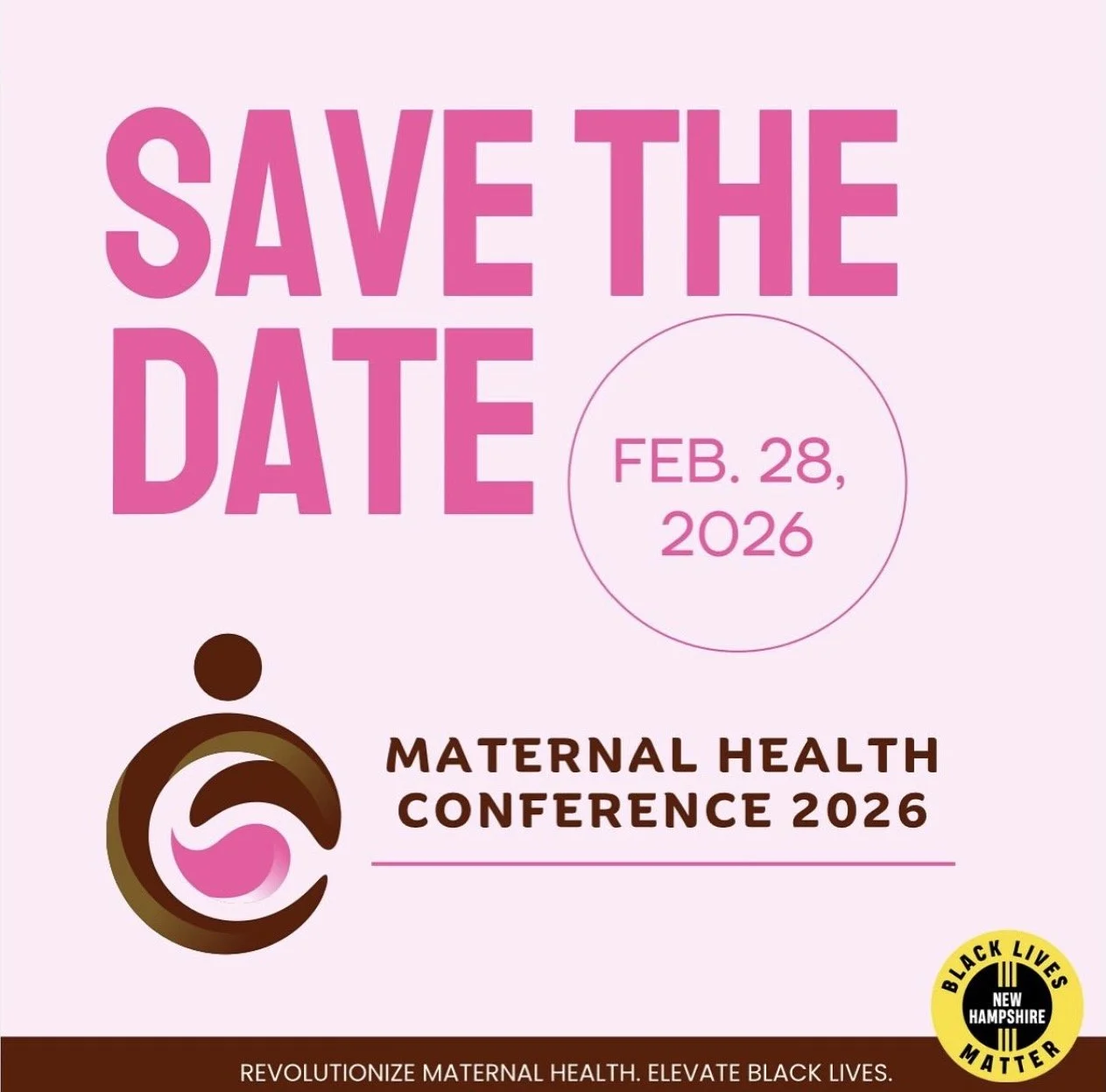
Save the Date for our Maternal Health Conference February 28, 2026
DATE: February 28th, 9 AM - 2 PM
LOCATION: Saint Anselm College, 100 Saint Anselm Drive, Manchester NH 03102
-
ATTEND
Registration is open today!
-
SPONSORSHIP
Become a sponsor of the 2026 Black Maternal Health Conference.
-
JOIN THE COMMITTEE
Join the BLMNH committee members working to improve Black maternal health through research, programs, and more.
Keynote Speaker
Krya L. Betts
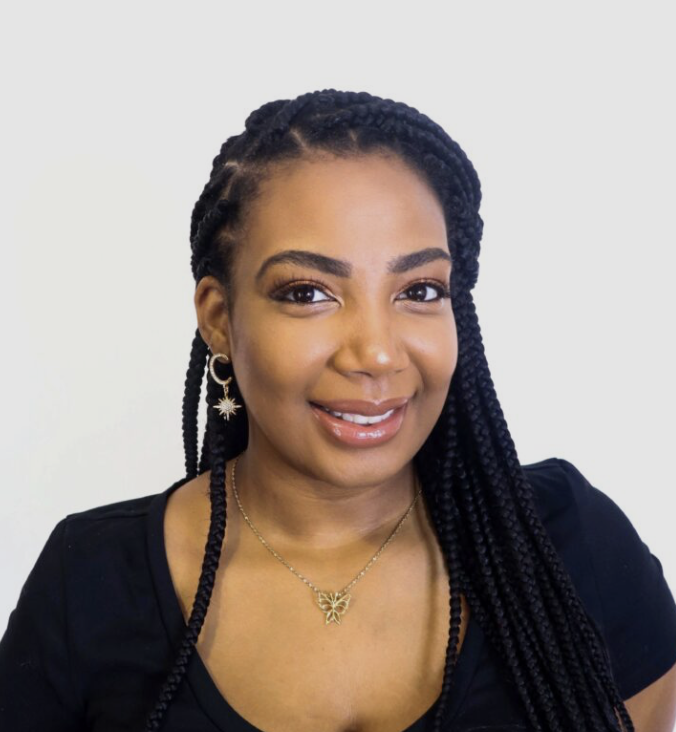
Kyra L. Betts is a nationally recognized maternal-child health strategist, public health scholar, and the creator of the Dads to Doulas program, which equips fathers to become powerful advocates during pregnancy and birth. A “policy doula” at heart, she translates legislation, systems, and research into tools communities can actually use to save lives and shift outcomes. Kyra is a Public Health PhD student at Washington University in St. Louis, where her research centers on chronic stress, paternal engagement, and maternal mortality.
Known for blending data with soul, rigor with joy, and scholarship with lived experience, she has led conferences, advised lawmakers, and trained families across the Midwest and beyond. Her work challenges deficit narratives and reframes Black fatherhood as a vital public-health intervention. Today, Kyra invites audiences to imagine—and build—a future where birth equity is non-negotiable and families are fully resourced to thrive.
Story Telling with Dr. Nneka Gig-Patton, PhD
Dr. Nneka Gigi-Patton (aka Mama Kano) is a PhD-trained educator, African hair griot, and maternal health advocate. Through her Word-to-Womb framework, she elevates hairstyling, oral storytelling, and embodied literacy as sites of healing, resistance, and relational care for Black birthing people and families.
Grounding with Nicole Sublette, MA, LCMHC, CMHIMP, CH

Nicole Sublette, MA, LCMHC, CMHIMP, CH, is a Black, queer mental health professional and the founder of the award-winning Therapists of Color New England, the first BIPoC group mental health practice in New Hampshire. She holds a Master’s degree in Clinical Mental Health Counseling from Antioch University (2013) and is licensed in VT, NH, and MA. Nicole has been recognized for her leadership in cultural responsiveness and advocacy for marginalized communities. She facilitates Racial Healing Circles in collaboration with the NAACP, serves on the boards of NAMI NH and the Business Alliance for People of Color, and trains organizations in DEI and cultural responsiveness. A sought-after speaker, Nicole has appeared in various media outlets, sharing her expertise on mental health, systemic inequities, and intersectionality in care. She is committed to promoting equitable access to mental health services and empowering BIPoC and LGBTQIA+ communities.
Team Birth Update: April St. Hilaire DNP, RNC-OB, CNL
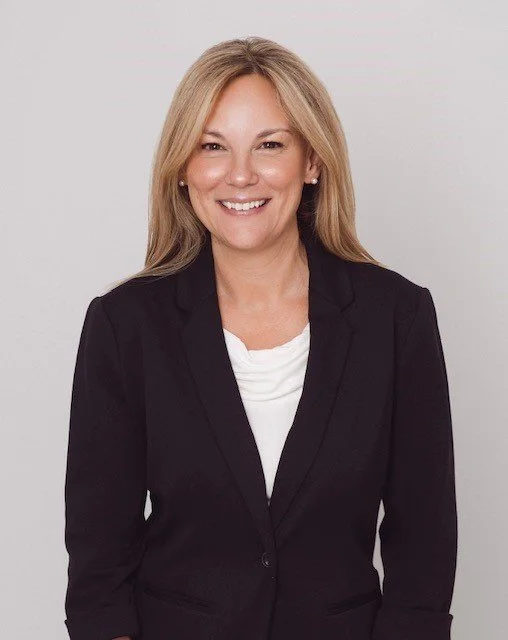
April St. Hilaire serves as the New England Section Advisory Chair for the Association of Women's Health, Obstetric and Neonatal Nurses (AWHONN) and is Director of the Family Center, Center for Reproductive Care, and Maternal Fetal Medicine at Exeter Hospital in Exeter, New Hampshire. With over 25 years of experience in perinatal nursing across a variety of clinical settings nationwide, she brings a deep commitment to advancing maternal and newborn health.
April received her Doctorate in nursing practice from the University of New Hampshire in 2025 and was honored with the 2022 Excellence in Nursing Award in Maternal Child Health Nursing by New Hampshire Magazine.
In January of 2024, April led the implementation of TeamBirth on her perinatal unit, a program designed to foster collaborative, person-centered care during labor and delivery. She now consults with Unravel Healthcare to support the broader adoption of TeamBirth across the country and its mission to improve equity, safety and dignity in maternity care.
BREAKOUT SESSIONS
Bio
Janelle Mills, MSW, is a Research Associate at the Lurie Institute for Disability Policy, Brandeis University. Her research focuses on the intersectional nature of inequality and how the lived experiences of marginalized women, including women with disabilities, differ based on their nationality, culture, race, and income.
Session Summary
This session will provide an overview of findings from a qualitative research study at Brandeis University. The researchers examined the lived experiences, unmet needs, and barriers to perinatal care and other supports of Black women and Latinas/xs with physical disabilities. Twenty-one women were interviewed. Researchers used content analysis to analyze the transcripts. Overarching themes included challenges in accessing care; physical inaccessibility of facilities and medical equipment; information needs; the importance of self-advocacy; positive care experiences; and recommendations to improve care. The researchers concluded that pregnancy care providers need training to enhance cultural competence in care for pregnant, physically disabled women. There is also a need for more tailored prenatal resources that cater to the unique needs and experiences of Black women and Latinas/xs with physical disabilities.
‘All we’re looking for is to be properly cared for’: Pregnancy healthcare experiences of Black and Latina/x mothers with physical disabilities (Facilitator: J. Mills)
Bio
Nancy is from Manchester, New Hampshire. She is in her Sophomore at Dartmouth College studying Sociology and Physics on the pre-medical track. Nancy is passionate about all things community health and plans to work in the public/global health sector after graduating. Outside of school, Nancy enjoys reading, listening to music, running, and playing field hockey.
Session Summary
In the midst of plentiful data reports regarding assessing the disparities faced by Black immigrant populations statewide, very few point towards specific, actionable solutions to address such highlighted challenges. Exacerbated by the changing and growing Black Immigrant population of Southern New Hampshire, there's a large disconnect between such communities and information regarding their reproductive rights and accessible resources. While various efforts across New Hampshire have been implemented towards incorporating cultural-responsive care, such programs have yet to fill crucial gaps in accessing reproductive healthcare for Black Immigrant populations. Complex nuances such as language differences, cultural barriers and stigma still persist in the face of policy efforts. Additionally, organizations that are best poised to confront the unique barriers in accessing reproductive healthcare face nationwide and state-specific obstacles in doing so, such as recent cuts to federal funding for programs supporting DEI efforts, heightened criminalization of immigrant workers, and attacks on the legal status of nonprofits serving immigrant populations.
Detailing current policies set in place and designed to aid in accessing equitable reproductive healthcare, this session focuses on highlighting the persisting and arising disparities faced in accessing existing resources, applying a Reproductive Justice lens to addressing the intersectional issues faced by such communities. We’ll share with participants several organizations in NH are offering to address these gaps, and discuss what more is still needed.
Culturally Responsive Reproductive Healthcare: Policy vs. Practical Access to Black Immigrant Populations in Southern NH (Facilitator: N. Apollo)
What is so Special about Black Maternal Health? (Facilitator: D. McCarter PhD, RN, WHNP-BC)
Bio
Deborah is a maternal-child health nurse, and over the past 45 years, has worked as a bedside staff nurse, lactation consultant, childbirth educator, women’s health nurse practitioner and most recently professor and nurse researcher. Starting with her research in breastfeeding self-efficacy in women of African descent, she became increasing aware of the devastating effects of health disparities and racism on childbearing families and has been moved to work for justice and equity. Recently retired from her nursing faculty position at Saint Anselm College, but still passionate about respectful maternity care for all, she is active in the Black Lives Matter Maternal Health Committee and excited to be part of this second annual Maternal Health Conference.
Session Summary
Designed for students and others unfamiliar with issues influencing maternal health, this session will describe the evidence for disparate outcomes for black birthing people, as seen in higher rates of maternal mortality and morbidity, as well as infant mortality and morbidity. The causes and conditions leading to inequity will be addressed. Individual and systemic strategies for improving maternity care will be discussed.
The Power of Story (Facilitator: C. Baron-Meija)
Bio
Christina is a first-generation Haitian American biotechnologist. Born and raised in Dorchester, Massachusetts and now resides in New Hampshire for over 15 years. After experiencing two near death births of her two young children, Christina has dedicated her life to making health care experience equitable through advocacy work on black maternal health and volunteer work in Haiti giving aid to people in the Sud est with limited access to a hospital or clinic. Christina received a degree in Biology, and holds certifications in biotechnology, and other biotech advanced qualifications.